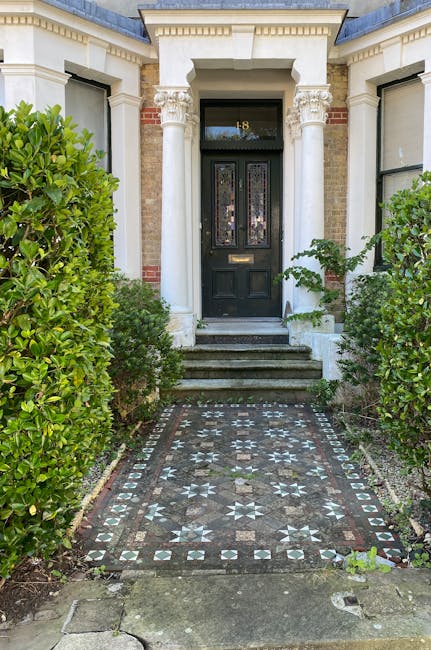
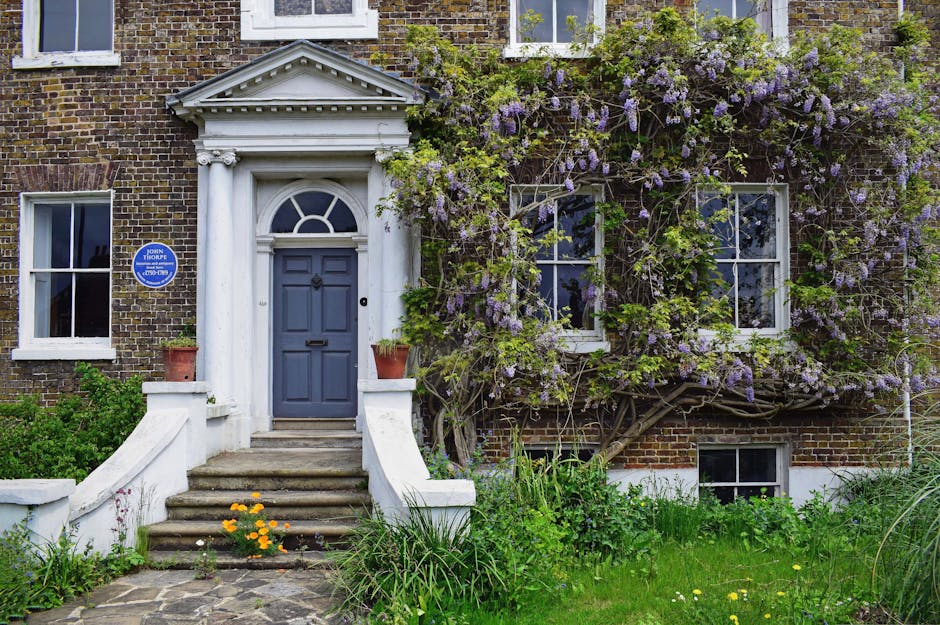
Lavender Hill Battersea gardeners for small front gardens
If your front garden is small, awkwardly shaped, shaded for half the day, or simply too easy to ignore, you are not alone. In Battersea, especially around Lavender Hill, lots of homes have compact front spaces that need careful thought rather than a full redesign. The right Lavender Hill Battersea gardeners for small front gardens can make that modest strip outside your home look tidy, welcoming, and genuinely worked with-not just "done".
That matters more than people think. A well-planned front garden changes how your home feels the moment you walk up to it. It softens hard paving, adds privacy without blocking light, and gives you a place for planting that still behaves itself. Truth be told, the trick is not squeezing in more plants. It is choosing the right plants, the right scale, and the right level of maintenance for London life.
In this guide, you will find practical advice on what small-front-garden gardening in Lavender Hill actually involves, how to approach it sensibly, what to avoid, and how to decide whether to tackle it yourself or bring in a professional. You will also get a useful checklist, a comparison table, and a realistic example of what works in a Battersea setting.
Table of Contents
- Why Lavender Hill Battersea gardeners for small front gardens Matters
- How Lavender Hill Battersea gardeners for small front gardens Works
- Key Benefits and Practical Advantages
- Who This Is For and When It Makes Sense
- Step-by-Step Guidance
- Expert Tips for Better Results
- Common Mistakes to Avoid
- Tools, Resources and Recommendations
- Law, Compliance, Standards, or Best Practice
- Options, Methods, or Comparison Table
- Case Study or Real-World Example
- Practical Checklist
- Conclusion
- Frequently Asked Questions
Why Lavender Hill Battersea gardeners for small front gardens Matters
Small front gardens in Lavender Hill and the wider Battersea area tend to face the same set of challenges: limited width, patchy light, narrow access, and a design burden that is heavier than the space suggests. The front garden is the bit everyone sees first. It also has to cope with bins, bikes, parcels, prams, and day-to-day use. So yes, it needs to look good, but it also needs to work hard.
This is why local knowledge matters. Gardens in this part of London often sit between period terraces, converted flats, and newer developments. You might have a tiny soil bed beside a path, a raised brick border, or a front area that is mostly paving with just enough room for planting. Each version needs a slightly different approach. A gardener who understands Battersea front gardens will usually know how to balance visual impact with practical maintenance, and how to make a small area feel calm rather than cluttered.
There is also the weather and urban context to think about. London front gardens can be exposed to reflected heat, dust, road grit, and occasional drought in summer. Then winter arrives and the same patch can feel damp, shaded, and low-activity. A good front garden plan has to survive all of that. Not just look nice for one week in May.
To put it simply: the right gardening approach makes a small front garden feel bigger, cleaner, and more intentional. It can improve kerb appeal, but it can also make your daily routine easier. You stop tripping over a plant that has escaped its border. You stop fighting with a hedge that has outgrown the path. Small wins. They add up.
For homeowners who want a broader view of the services that support this kind of work, it can help to explore garden maintenance in London and front garden design ideas before making decisions on planting or layout.
How Lavender Hill Battersea gardeners for small front gardens Works
Good small-front-garden gardening usually starts with restraint. That sounds odd, but it is true. In a compact Battersea front garden, the best results often come from removing visual noise rather than adding more. A professional gardener will usually begin by assessing what the space already does well: where the light falls, how people enter the property, whether the path feels cramped, and what is making the garden look busy.
From there, the work usually falls into a few clear stages:
- Assessment: checking light, soil, drainage, access, and existing plants.
- Clear-out: removing dead growth, self-seeded weeds, broken edging, and anything that overwhelms the space.
- Structure: deciding on borders, pots, low hedges, evergreens, or climbing support if suitable.
- Planting: selecting plants that stay within scale and suit the site conditions.
- Finishing: mulching, edging, sweeping, and making sure the layout is easy to maintain.
That sounds simple on paper. In practice, the detail matters. A plant that looks perfect in a nursery pot can become a bully in six months. A border that seems generous on a sketch can feel very narrow once you need to open the front door while carrying shopping. This is where practical experience shows. Good gardeners think about movement, not just appearance.
For example, in a small Lavender Hill front garden, it is often better to use a few purposeful layers: a low evergreen backbone, a small number of seasonal flowers, and a neat surface finish. That might mean compact shrubs, shade-tolerant perennials, or a couple of container groups rather than a crowded bed. If the front is mostly hard landscaping, then planting pockets or statement pots can soften it without making the entrance feel blocked.
That said, not every garden needs a full redesign. Sometimes the best answer is routine care. Trimming, reshaping, feeding, replacing tired plants, and keeping the edges crisp can make a dramatic difference. You would be surprised. A front garden can look "new" after a careful tidy-up and a few smart edits.
For people who want an ongoing service rather than a one-off refresh, it can be useful to look at regular garden care and hedge trimming services, especially if the front area includes clipped shapes or boundary plants.
Key Benefits and Practical Advantages
A well-managed small front garden offers more than a prettier entrance. In a dense London street, it can actually improve the way the property functions. Here are the benefits that matter most.
1. Better kerb appeal without overcomplication
You do not need a designer showpiece. You need a front garden that looks intentional and tidy. In practice, that usually means fewer plant types, cleaner lines, and a layout that suits the building. Simple is not boring. Done well, simple feels calm and expensive-looking, if that makes sense.
2. Easier daily upkeep
Small front gardens become annoying when they are planted in a high-maintenance way. A sensible plan reduces mowing, deadheading, constant pruning, and awkward watering. For busy households, especially in Battersea where people are often in and out all day, low-maintenance design is a real advantage.
3. Stronger first impression
The front garden frames the house. A clean border, a compact evergreen, or a well-placed climber can completely change how the property reads from the street. Even a short path feels more welcoming if the planting is balanced rather than cramped.
4. More resilient planting
Local gardeners who work in small urban spaces tend to favour plants that can handle London conditions: uneven moisture, partial shade, reflected heat, and occasional neglect. That resilience matters because a front garden is not a sheltered show border. It has a life of its own.
5. Better use of limited space
Small gardens waste no room. Every plant, container, and edge has a job. The right plan can make a narrow patch feel broader by keeping tall growth at the back, using repetition, and avoiding visual clutter. It is a bit like arranging a room. Too much furniture and the whole thing shrinks.
Expert summary: the best small front gardens are not the fullest ones. They are the ones that look calm, suit the house, and stay manageable in real life. If a design cannot be maintained with ordinary weekly effort, it is probably too ambitious for the space.
Who This Is For and When It Makes Sense
This service is a strong fit for a few different situations. You may recognise yourself in one of them.
- Homeowners with a tiny front plot: especially where the garden is more of a strip than a lawn.
- Landlords and rental property owners: where the entrance needs to stay presentable without constant fuss.
- Busy professionals: if the space is being ignored because nobody has time to keep up with it.
- Older homes with tired planting: where borders have become overgrown or patchy.
- People preparing to sell: when first impressions matter and the front of the property needs a lift.
- Anyone frustrated by awkward shade or narrow access: small spaces can be surprisingly fiddly.
It also makes sense if your garden is not exactly a garden in the traditional sense. Plenty of front spaces in Lavender Hill are half-paved, part-border, or squeezed around steps and railings. Those spaces still benefit from design and maintenance. In fact, they often benefit more, because every small improvement is visible.
If you are mainly looking for a once-a-year refresh, that is one route. If you want the front looking neat through the seasons, regular upkeep is better. And if you are unsure which way to go, a local gardener can usually help you work that out during an initial visit. No drama. Just practical advice.
Step-by-Step Guidance
Below is a sensible way to approach a small front garden in Lavender Hill Battersea. You can use it whether you are doing the work yourself or briefing a gardener.
Step 1: Look at the garden from the pavement
Stand outside and look at the house as a visitor would. What catches your eye first? Is it a good thing or a messy thing? Do the plants lead your eye toward the door, or do they block the view? This simple pause often reveals more than a long planning session indoors.
Step 2: Remove clutter and weak performers
Take out dead annuals, overgrown self-seeders, broken pots, and anything that no longer earns its place. In small gardens, clutter acts like static on a radio. You may not notice it at first, but it softens everything in the wrong way.
Step 3: Decide the garden's main job
Ask yourself what the front garden needs to do most. Is it mostly decorative? Is it there to soften paving? Does it need privacy from the street? Should it be low-maintenance above all else? One clear priority makes every later choice easier.
Step 4: Set the structure first
Choose the bones of the garden before thinking about flowers. That might be one or two evergreen shrubs, a tidy hedge line, a pair of pots, or a climber on a wall. Structure gives a small space confidence. Without it, the garden can feel a bit apologetic.
Step 5: Pick plants that stay in scale
Small front gardens need plants that behave. Think compact, neat, and seasonal rather than sprawling. It helps to mix a few evergreen elements with flowering plants, so the garden has presence even in winter. Good examples often include structure-friendly shrubs, clumping grasses, shade-tolerant perennials, and climbers where vertical space is available.
Step 6: Make access easy
The path to the door should feel clear and comfortable. If a plant brushes your coat every time you pass, it is already too close. Keep sightlines open around gates, steps, and bins. It sounds obvious, but gardens often slip into awkwardness very quickly.
Step 7: Finish with clean edges and mulch
Sharp edges and a neat surface finish make the whole garden look more deliberate. Mulch also helps suppress weeds and retain moisture, which is handy in exposed London front gardens. That final layer is often the difference between "nice planting" and "finished garden".
Step 8: Set a realistic maintenance rhythm
Every small front garden needs some upkeep, even low-maintenance ones. A quick monthly check, seasonal pruning, and a light tidy after storms can keep the space under control. If you are not likely to do that, choose simpler planting from the start. Really simple.
Expert Tips for Better Results
Small garden work is all about detail. Here are the choices that usually make the biggest difference.
- Use repetition: repeating a plant or container shape makes a narrow space look calmer.
- Limit the palette: too many colours can make a tiny garden feel busy.
- Keep the tallest planting at the back: this preserves openness near the path and entrance.
- Prefer rounded or upright forms: sprawling plants can quickly dominate a narrow border.
- Choose seasonal interest carefully: one strong spring feature, one summer texture, and one evergreen anchor is often enough.
- Use containers with restraint: a couple of good pots beat a crowd of small ones every time.
Another useful habit is to think in layers. Ground layer, mid layer, and vertical layer. That does not mean stuffing the garden with plants. It means arranging the space so the eye can move naturally. A small front garden with one low carpet, one mid-height shrub, and one vertical accent can look far more polished than a border full of random specimens.
One practical tip that many homeowners overlook: test the sightline from inside the house too. A front garden that looks lovely from the pavement but blocks the view from the hallway can feel oddly gloomy. You want both perspectives to work. Otherwise the whole thing gets a bit awkward.
If your front garden is shaded by neighbouring buildings or a tree canopy, choose plants for low light rather than trying to force sun-lovers into the space. That is a common mistake and a very expensive one, if we are being honest.
For deeper support with planting choices, it may also help to review professional planting services and seasonal garden care, especially if you want the garden to evolve sensibly across the year.
Common Mistakes to Avoid
Small front gardens are unforgiving. A good idea can go wrong quickly if the scale is off. Here are the errors that tend to cause the most trouble.
Overplanting
It is tempting to fill every inch, especially right after clearing a neglected space. But overcrowding usually leads to poor airflow, hidden weeds, and a maintenance headache. Leave breathing room. Plants need space, and so do people.
Choosing plants only for flowers
Flowering is lovely, of course, but a front garden needs year-round structure. If everything dies back or looks scruffy in winter, the entrance loses its shape. Mix bloom with evergreen form.
Ignoring access and movement
If you have to sidestep a shrub just to open the gate, the design has failed. This is one of the most common issues in narrow Battersea front gardens. Pretty is not enough. Practical has to win a few rounds.
Using too many different materials
Multiple edging styles, a mix of pot colours, several gravel types, and random ornaments can make a tiny space feel confused. Fewer finishes usually look better. Simpler too.
Picking high-maintenance plants for a low-maintenance brief
Some plants need regular pruning, staking, feeding, or deadheading. That may be fine if you enjoy the work, but it is not ideal if you want the front garden to look tidy with minimal effort. Be honest about your routine. It saves money and disappointment later.
Forgetting drainage
Small front gardens in urban settings can suffer from compaction and poor drainage, especially where paving meets soil. If water sits around the roots, plants struggle. A gardener should assess this before planting, not after the first soggy winter. Rather boring, but important.
Tools, Resources and Recommendations
Whether you are managing the garden yourself or working with a local professional, a few tools and materials make the process smoother.
| Item | Why it helps | Best for |
|---|---|---|
| Hand trowel and hand fork | Useful for tight borders and container planting | Small front beds, edging, replanting |
| Bypass secateurs | Cleaner cuts for pruning shrubs and perennials | Routine maintenance, shaping |
| Garden kneeler or pad | Makes close work easier in compact spaces | Planting and deadheading |
| Quality mulch | Reduces weeds and helps retain moisture | Border finishing |
| Watering can or hose with gentle attachment | Supports new plants without washing out soil | Establishment period |
| Compact evergreen shrubs | Provide year-round structure without overwhelming the space | Small entrance gardens |
It also helps to have a simple seasonal plan. Spring is often for shaping and refreshing. Summer is for watering and keeping on top of growth. Autumn is for clearing, planting, and preparing for wetter weather. Winter is usually about structure, protection, and restraint. Not glamorous, but it works.
If you want support beyond front-garden planting, useful related services can include lawn care where turf is present, or weed control services if the beds have become unruly. Those smaller jobs add up to the whole impression.
Law, Compliance, Standards, or Best Practice
For most small front gardens, there is no complicated legal process involved in ordinary gardening. That said, a few best-practice points matter in London and are worth keeping in mind.
- Boundary awareness: avoid work that crosses fences, walls, or shared boundaries without agreement.
- Neighbour consideration: pruning, hedge trimming, and access work should be planned with nearby properties in mind.
- Waste disposal: green waste should be handled responsibly and in line with local collection or removal arrangements.
- Safe use of tools: professional-grade care is especially important where paths are tight and access is shared.
- Plant choice and visibility: do not block sightlines for doors, paths, or vehicle access where that would create a hazard.
If your front garden includes trees, protected features, or work near a highway or shared access point, a gardener should check before carrying out major changes. Battersea properties can vary quite a bit, and not every front garden is as straightforward as it looks from the road.
As a general rule, the safest approach is to keep work tidy, respectful, and proportionate. The garden should improve the property without creating friction or maintenance problems. That is the standard worth aiming for.
Options, Methods, or Comparison Table
Small front gardens can be handled in a few different ways. The best option depends on how much time you have, how much structure the space needs, and whether you want something mostly ornamental or genuinely low maintenance.
| Approach | Best for | Pros | Trade-offs |
|---|---|---|---|
| Basic tidy-up | Gardens that are generally sound but messy | Fast, affordable, immediate improvement | Does not solve deeper layout or planting issues |
| Replanting and border reset | Overgrown or tired small front gardens | Big visual lift, better long-term structure | Requires more planning and initial effort |
| Low-maintenance redesign | Busy households and rental properties | Easy upkeep, strong year-round look | May feel less lush if you want lots of colour |
| Container-led design | Very small or mostly paved fronts | Flexible, tidy, easy to update | Needs watering and occasional refreshing |
| Seasonal maintenance plan | Homes that already have decent planting | Keeps the garden consistently presentable | Less dramatic than a full redesign |
In many Battersea streets, the best solution is a blend: a tidy structural base, a few reliable plants, and seasonal maintenance. Not too clever. Just sensible. That usually ages well, which is what you want in a front garden that people see every day.
Case Study or Real-World Example
Imagine a narrow front garden in Lavender Hill with a short path, tired lavender, one overgrown shrub, and a patchy bed next to the railings. It looks a bit neglected, but not beyond rescue. The homeowner wants a neater entrance without turning it into a project that needs attention every weekend.
A practical gardener might start by removing the struggling shrub and reshaping the bed. Then they might keep one or two of the better-performing plants, add a compact evergreen for structure, and introduce a couple of shade-tolerant perennials for softer seasonal change. If the space is very tight, they may use one larger pot near the entrance instead of several small ones. That creates focus without clutter.
The result is not a dramatic "before and after" fantasy. It is more believable than that. The path feels clearer, the house looks more cared for, and the front garden no longer competes with the architecture. On a rainy Tuesday morning, when the pavement is slick and the bins are out, it still looks decent. That is the real test, honestly.
A useful follow-up for this kind of garden is regular upkeep. A seasonal visit to refresh mulch, trim edges, and check plant health can keep the space from sliding back into chaos. If you want that continuity, a service focused on seasonal garden maintenance can be a good fit.
Practical Checklist
Use this checklist before you brief a gardener or start work yourself.
- Have you looked at the garden from the street and from inside the house?
- Do you know whether the space is mostly sunny, partly shaded, or shady?
- Have you identified anything that must stay, such as a mature shrub or a useful climber?
- Is there enough room for doors, gates, and the path to open comfortably?
- Do you want low maintenance, seasonal colour, privacy, or a balance of all three?
- Have you decided whether the front garden needs a tidy-up or a more substantial redesign?
- Are the existing plants healthy, or are some clearly past their best?
- Have you thought about drainage and watering access?
- Is there a clear boundary between the garden and the pavement?
- Will the final design still look good in winter, not just in spring?
If you can answer most of those, you are already ahead of the game. Really. A lot of good garden work starts with ordinary questions asked honestly.
Conclusion
Small front gardens in Lavender Hill Battersea deserve better than rushed planting or a once-over with the shears. With the right approach, even a narrow entrance can feel neat, characterful, and quietly impressive. The best results come from proportion, restraint, and sensible plant choice rather than trying to cram in too much.
Whether you are improving a tired terrace frontage, refreshing a compact rental property, or looking for a garden that simply behaves itself through the seasons, local expertise makes a real difference. The right gardener will understand how to make small spaces feel generous without making them hard to live with. That balance is the whole point.
Get a free quote today and see how much you can save.
And if you take only one thing from this guide, let it be this: a small front garden does not need to be grand to be lovely. It just needs to feel cared for.
Frequently Asked Questions
What do Lavender Hill Battersea gardeners for small front gardens usually do?
They usually assess the space, clear away overgrowth, improve structure, choose plants that suit the conditions, and create a neat layout that stays manageable. In many cases, they also help with seasonal maintenance so the garden does not slip back into looking untidy.
Is a small front garden worth investing in?
Yes, if the front of your home is visible from the street or used daily. A well-kept front garden improves kerb appeal, makes the entrance feel more welcoming, and can be easier to maintain than a larger garden if it is designed properly.
What plants work best in a small front garden in Battersea?
Compact shrubs, evergreen structure plants, shade-tolerant perennials, and carefully chosen climbers often work well. The best choice depends on how much light the space gets and how much maintenance you are willing to do.
Can a very narrow front garden still look good?
Absolutely. Narrow spaces often look best with a limited plant palette, clean edging, and one or two strong focal points. A tiny garden can look more polished than a larger one if the proportions are right.
How often should a small front garden be maintained?
It depends on the planting, but many front gardens benefit from a light tidy every few weeks during the growing season and a more thorough seasonal check-up. High-maintenance planting will need more frequent attention.
Do I need a full redesign, or just a tidy-up?
If the garden is basically healthy but messy, a tidy-up may be enough. If the plants are overgrown, tired, or badly placed, a redesign or partial reset is usually better. A good gardener can help you decide after a quick look.
How can I make a small front garden feel bigger?
Use repetition, keep the layout simple, avoid too many materials, and preserve clear sightlines. Vertical planting and a small number of well-placed pots can also help make the space feel less cramped.
Are container plants a good idea for small front gardens?
Yes, especially where ground space is limited or the area is mostly paved. Containers are flexible and tidy, though they do need watering and occasional refreshing to stay looking their best.
What is the biggest mistake people make with front gardens?
Overplanting is probably the most common mistake. It can make a small space feel busy, block access, and lead to more maintenance than the garden can reasonably support.
Do front gardens in London need special care?
Often, yes. Urban front gardens may deal with compacted soil, shade from nearby buildings, reflected heat, road dust, and limited water retention. Choosing resilient plants and keeping the design practical makes a big difference.
Can a gardener help if the front garden is mostly hard landscaping?
Yes. Even small pockets of soil, containers, or wall planting can soften hard surfaces. A gardener can suggest ways to add planting without making the space feel crowded or difficult to move through.
What should I ask before booking a gardener for a small front garden?
Ask about their experience with compact urban gardens, how they approach maintenance versus redesign, what plants they recommend for your light conditions, and whether they can help with ongoing seasonal care. Clear answers are usually a good sign.